Introduction
The modern workplace is evolving faster than ever. With hybrid work models, flexible schedules, and employee well-being becoming top priorities, office design has taken center stage in business success. At the heart of this transformation lies modern office furniture—designed not just for function, but for comfort, collaboration, and productivity.
Today’s workplaces are no longer defined by rigid cubicles and static layouts. Instead, they are dynamic environments that encourage creativity, movement, and efficiency. In this blog, we explore the latest office furniture trends shaping the future of work.
1. Rise of Ergonomic Office Furniture
One of the strongest trends in modern workplaces is ergonomics. Businesses now understand that employee comfort directly impacts productivity and health.
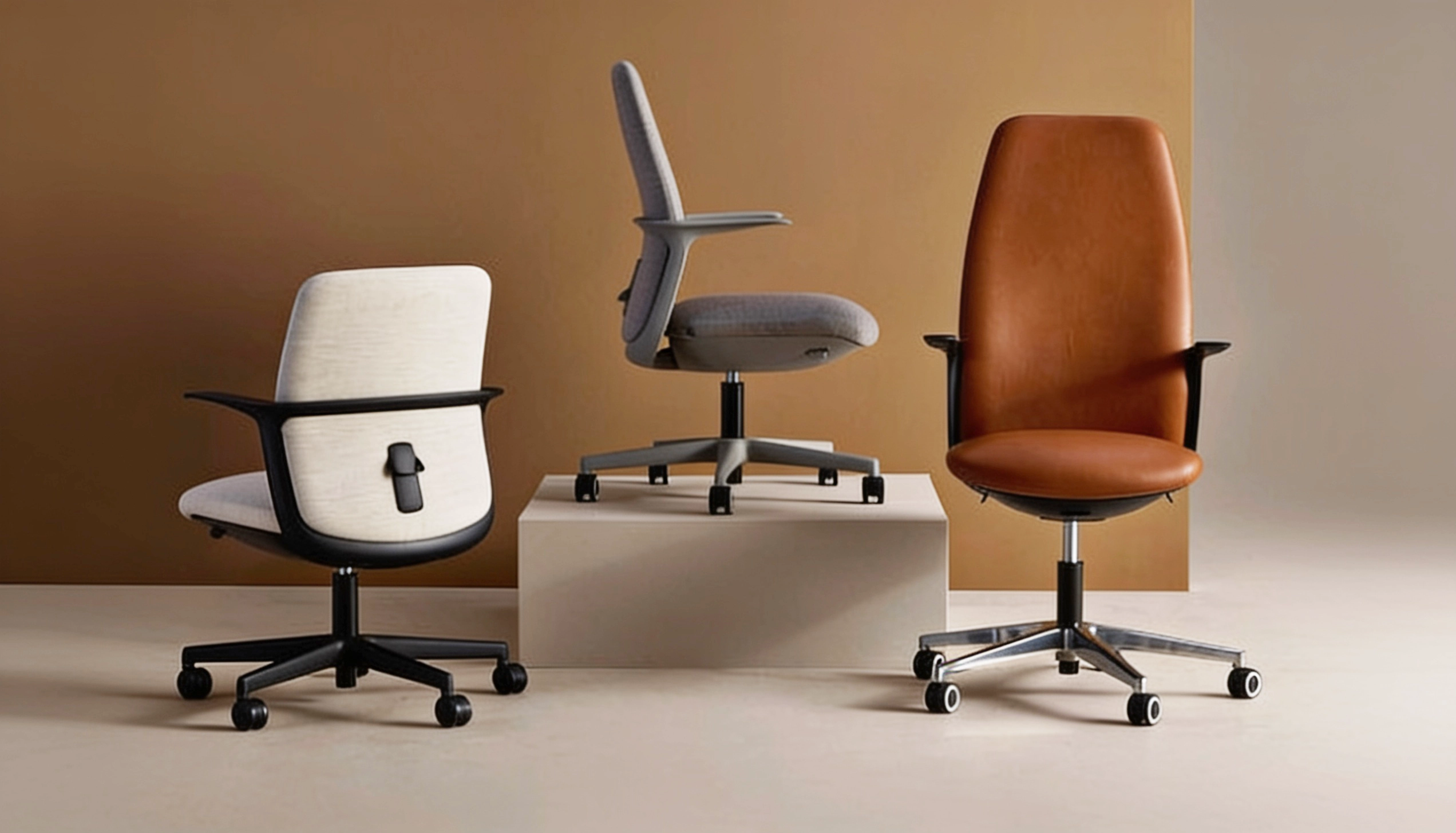
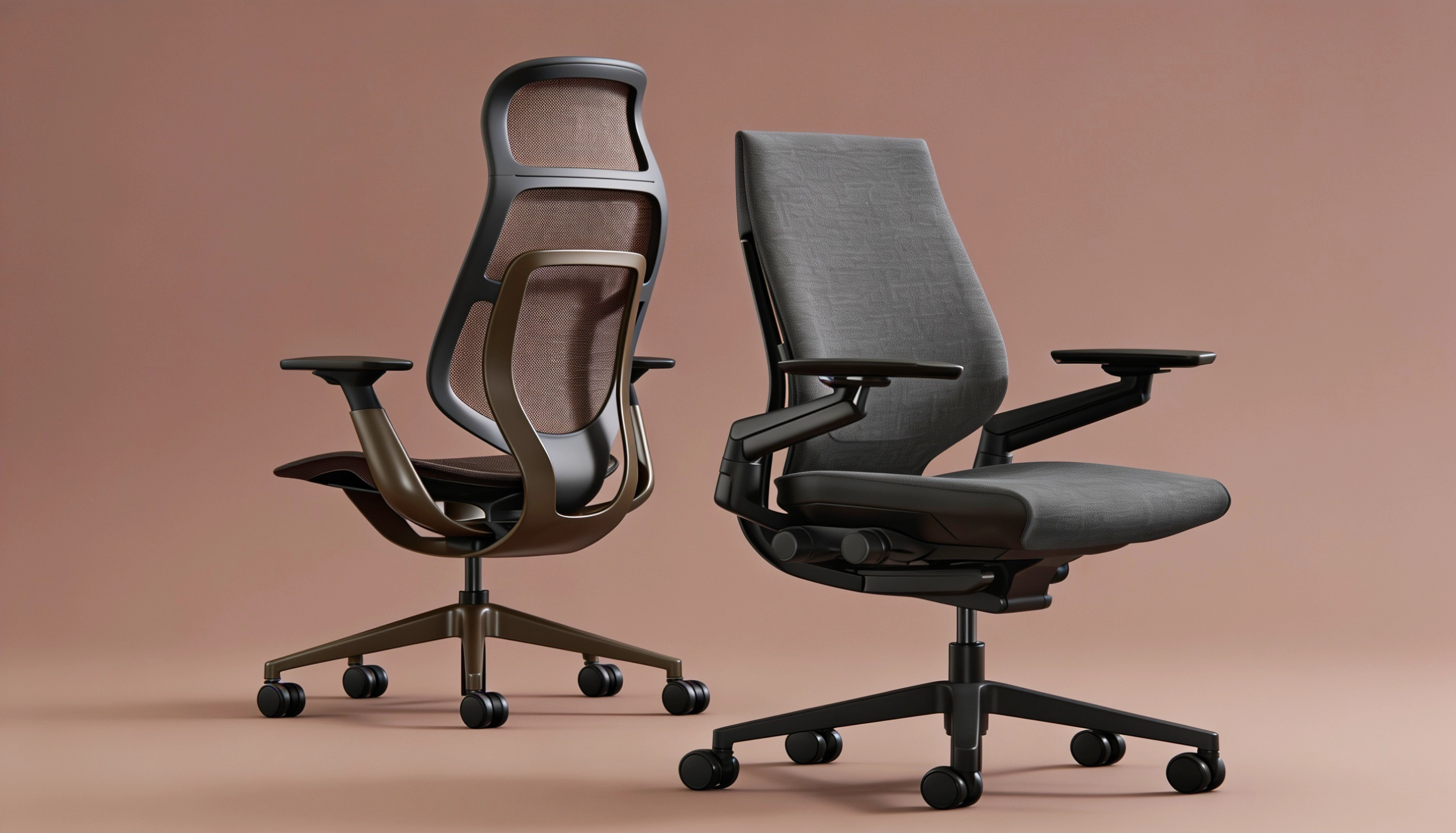
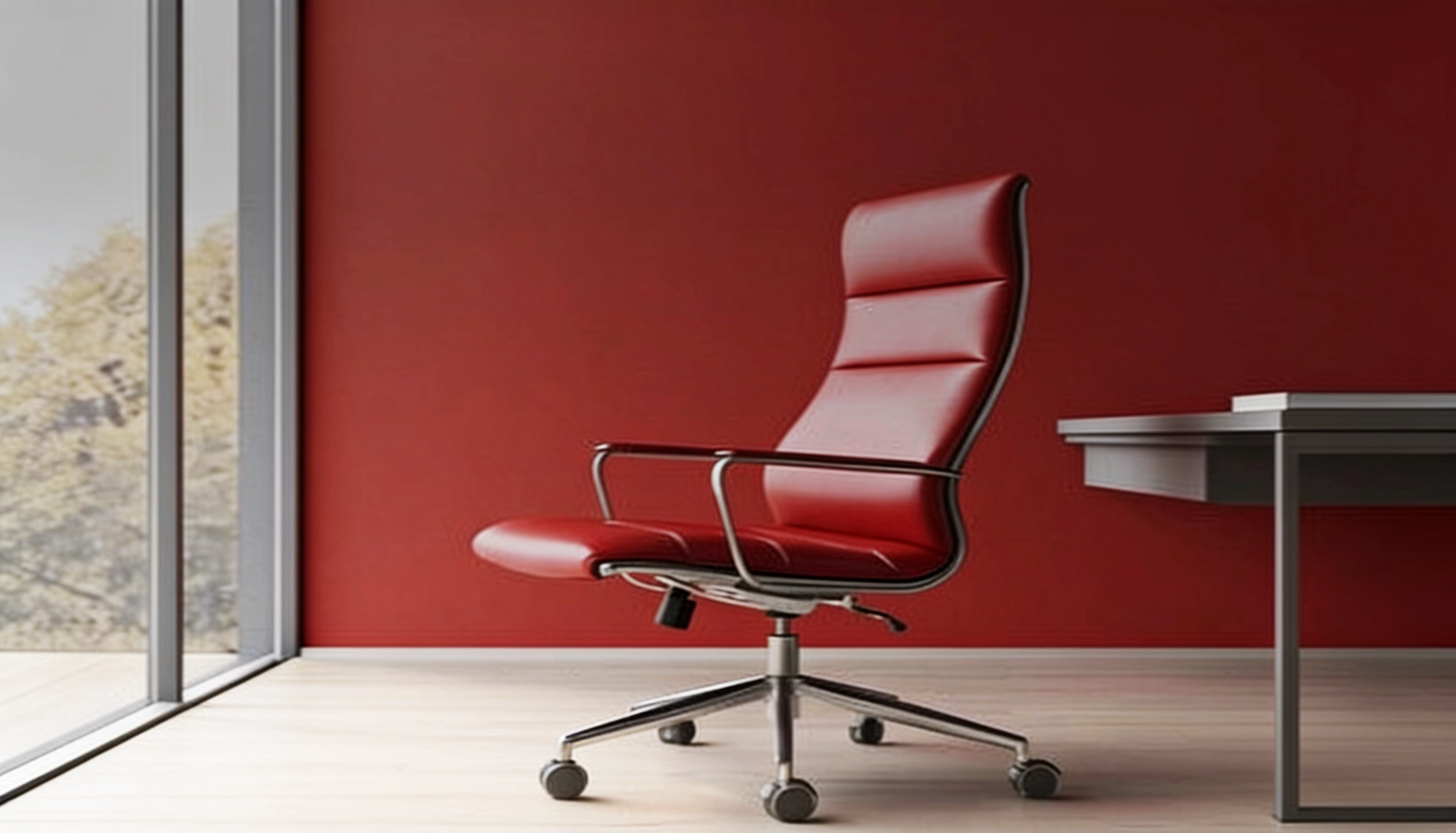
Ergonomic chairs, height-adjustable desks, and lumbar-support seating are becoming standard in offices. These designs help reduce back pain, improve posture, and increase focus throughout the workday.
2. Flexible and Modular Workspaces
Flexibility is the future of office design. Companies are moving away from fixed layouts to modular furniture systems that can be easily rearranged.
Modular desks, movable partitions, and adaptable seating allow teams to reconfigure spaces for meetings, collaboration, or focused work. This flexibility supports hybrid work environments and growing teams.
3. Smart Office Furniture Integration
Technology is becoming an essential part of office furniture design. Smart desks with built-in charging ports, wireless connectivity, and digital height adjustment features are gaining popularity.
These innovations help streamline workflows and reduce clutter, creating a more efficient work environment.
4. Collaborative Work Zones
Modern offices are designed to promote teamwork. Furniture is now being used to create open collaboration zones with comfortable seating arrangements, lounge-style furniture, and shared worktables.
These spaces encourage communication, idea sharing, and innovation among employees.
5. Sustainable and Eco-Friendly Furniture
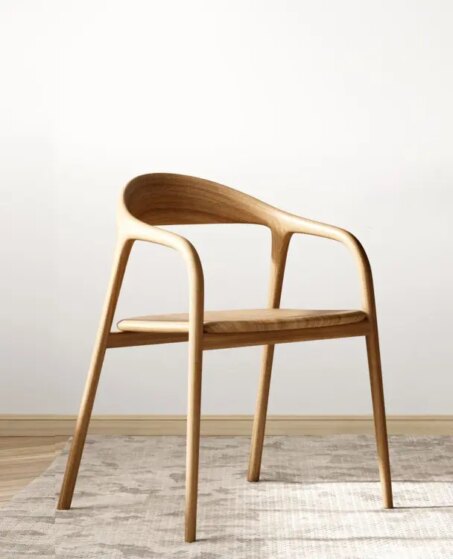
Sustainability is no longer optional—it is a priority. Businesses are choosing furniture made from recycled materials, responsibly sourced wood, and eco-friendly production processes.
Sustainable furniture not only reduces environmental impact but also reflects a company’s commitment to responsible business practices.
Conclusion
The future of office furniture is smart, flexible, and human-centered. As businesses adapt to new ways of working, furniture design will continue to play a crucial role in shaping productivity, collaboration, and employee satisfaction.
Investing in modern office furniture is not just about aesthetics—it’s about creating a workspace that inspires performance and supports long-term success.
Blog
Get fresh home inspiration and helpful tips from our interior designers