Introduction
A productive workspace is more than just a place to work—it is an environment that shapes focus, creativity, and efficiency. In today’s fast-paced business world, companies are realizing that office furniture design plays a crucial role in employee performance and workplace satisfaction.
The right furniture doesn’t just fill a space; it transforms how people work, collaborate, and feel throughout the day. From ergonomic seating to flexible layouts, thoughtful furniture design can significantly improve productivity and well-being.
1. Importance of Workspace Design in Productivity
Workspace design directly influences how employees think, interact, and perform. A poorly designed office can lead to discomfort, distractions, and low efficiency.
On the other hand, a well-planned workspace:
- Improves concentration
- Enhances collaboration
- Reduces physical strain
- Boosts employee morale
Investing in quality office furniture is therefore not an expense—it is a long-term productivity strategy.
2. Ergonomic Furniture for Better Health and Focus
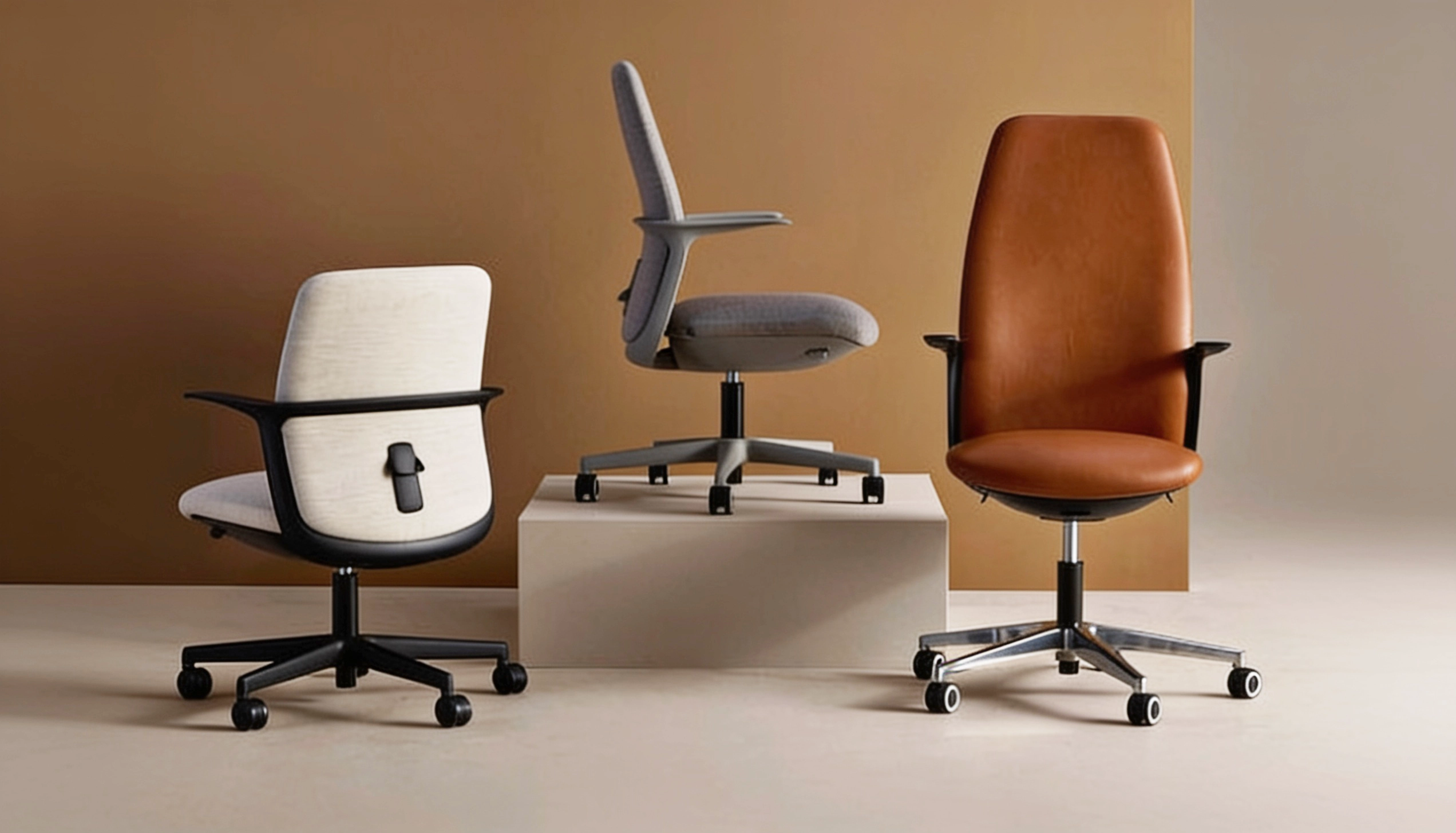
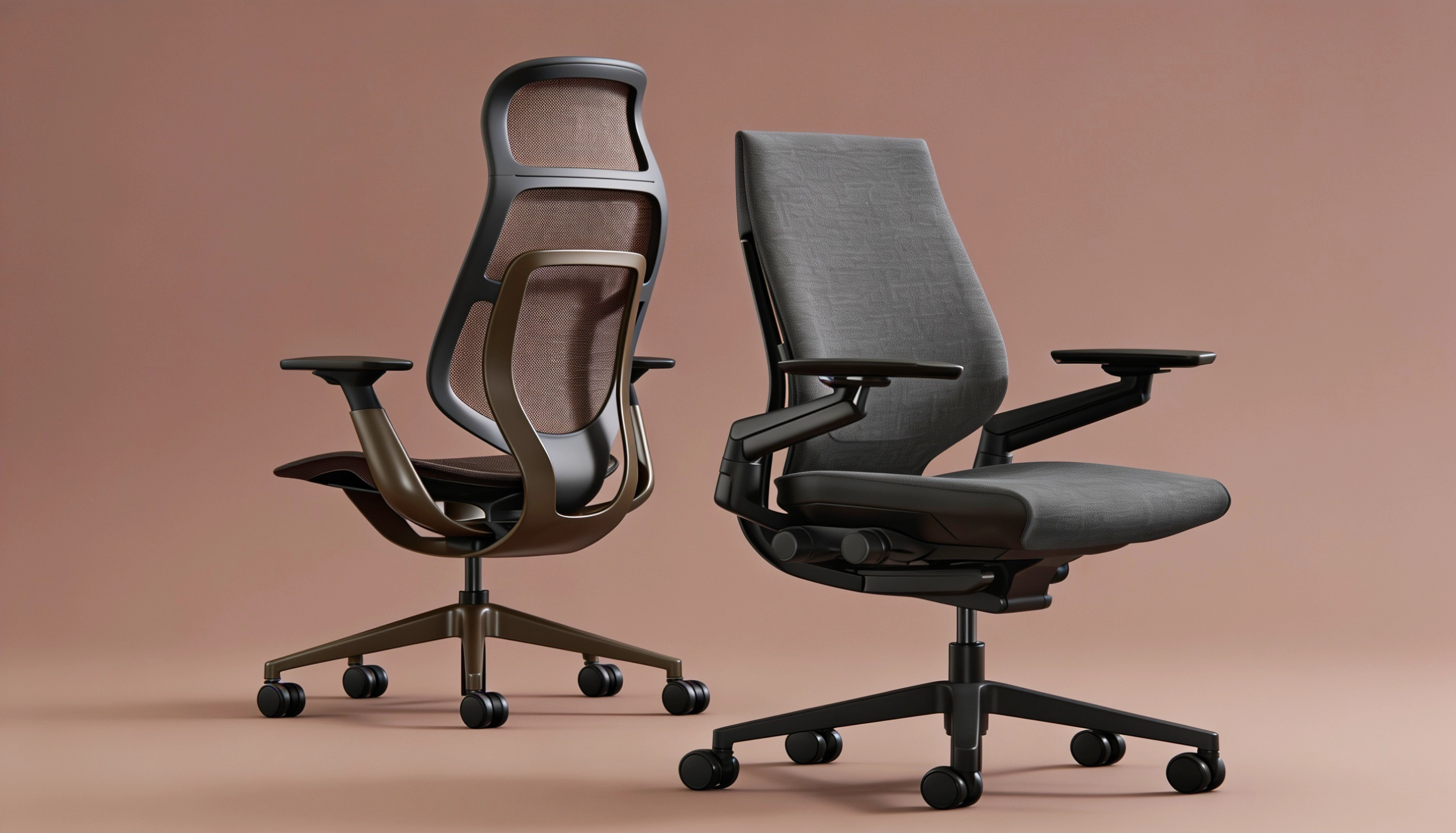
Ergonomics is the foundation of a productive workspace. Furniture designed for human comfort reduces fatigue and improves posture.
Key ergonomic elements include:
- Adjustable office chairs with lumbar support
- Sit-stand desks for movement flexibility
- Proper monitor height alignment
- Wrist and arm support accessories
These features help employees stay comfortable and focused for longer hours.
3. Smart Layout Planning for Maximum Efficiency
Furniture arrangement is just as important as the furniture itself. A smart layout ensures smooth workflow and minimizes unnecessary movement.
Effective workspace layouts include:
- Open collaborative zones
- Private focus areas
- Meeting and discussion corners
- Flexible modular setups
A balanced layout supports both teamwork and individual productivity.
4. Modular Furniture for Flexible Work Environments
Modern workplaces demand flexibility. Modular furniture allows offices to adapt quickly to changing needs.
Benefits include:
- Easy reconfiguration of workstations
- Scalable setups for growing teams
- Multi-purpose furniture usage
- Cost-effective long-term investment
This flexibility is especially important for hybrid work models.
5. Creating Collaboration-Friendly Spaces
Collaboration is key to innovation. Furniture design can encourage teamwork by creating open and inviting spaces.
Examples include:
- Lounge seating for informal meetings
- Shared tables for group discussions
- Comfortable breakout zones
- Acoustic furniture for noise control
These spaces help employees communicate and generate ideas more effectively.
6. Aesthetic Design That Enhances Motivation
The visual appeal of a workspace has a psychological impact on employees. A clean, modern, and well-designed office increases motivation and pride.
Design elements that improve aesthetics:
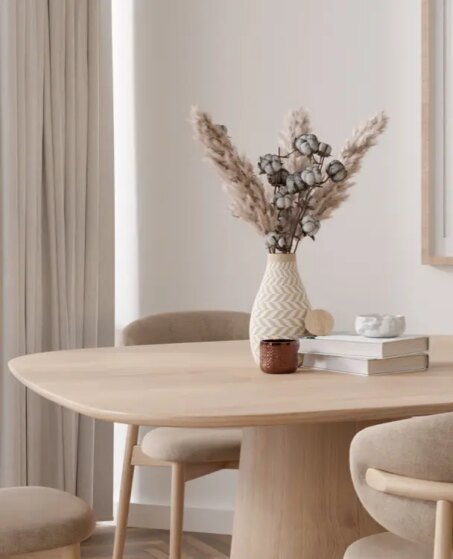
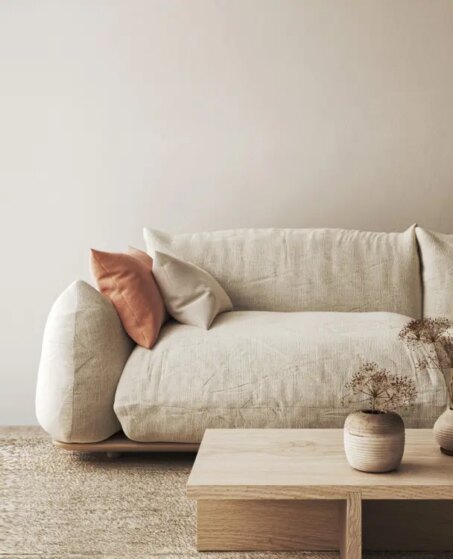
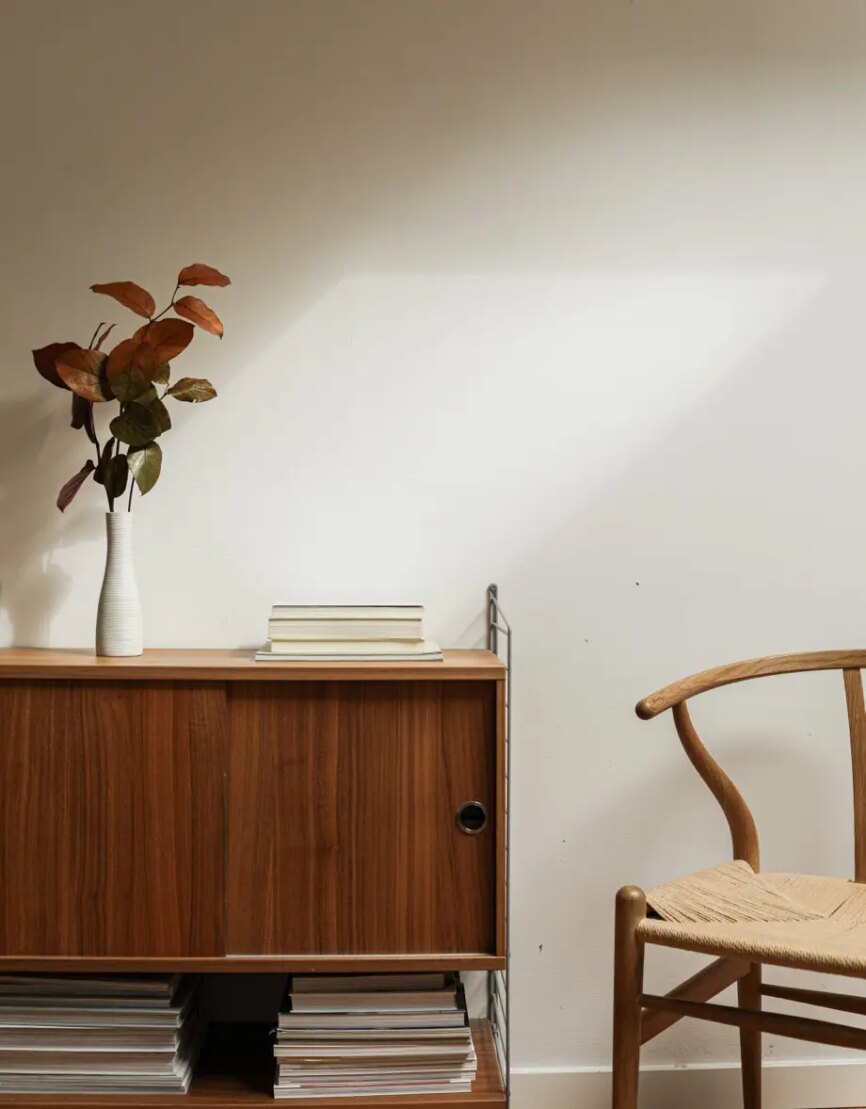
- Neutral color palettes with natural tones
- Minimalist furniture styles
- Green plants for freshness
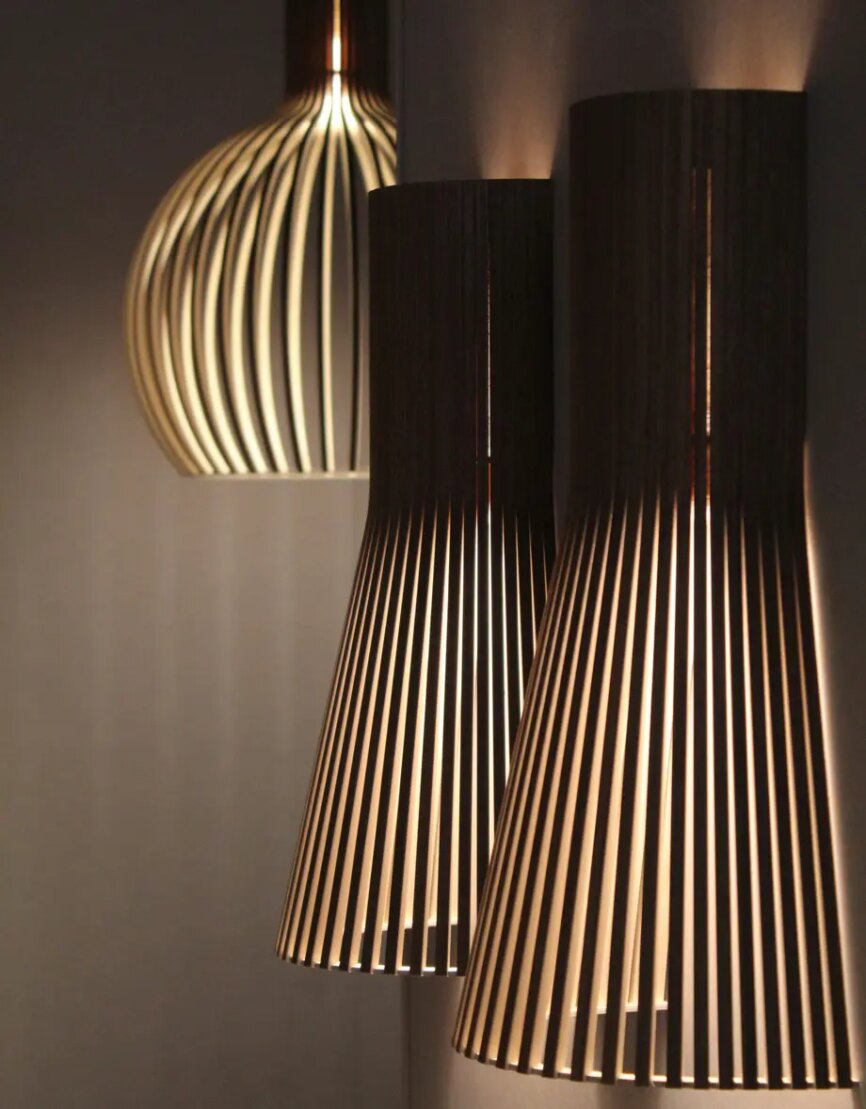
- Proper lighting and open space design
A beautiful workspace creates a positive working atmosphere.
7. Sustainability in Office Furniture Design
Sustainable furniture is becoming a major trend in modern workplaces. Businesses are choosing eco-friendly materials and responsible manufacturing practices.
Advantages of sustainable furniture:
- Reduced environmental impact
- Long-lasting materials
- Better corporate responsibility image
- Healthier indoor environment
Eco-conscious design reflects a company’s commitment to the future.
Conclusion
Creating a productive workspace starts with the right furniture design. Ergonomics, flexibility, aesthetics, and sustainability all work together to build an environment where employees can thrive.
By investing in well-designed office furniture, businesses can enhance performance, improve employee satisfaction, and create a workspace that truly supports success.
Blog
Get fresh home inspiration and helpful tips from our interior designers